
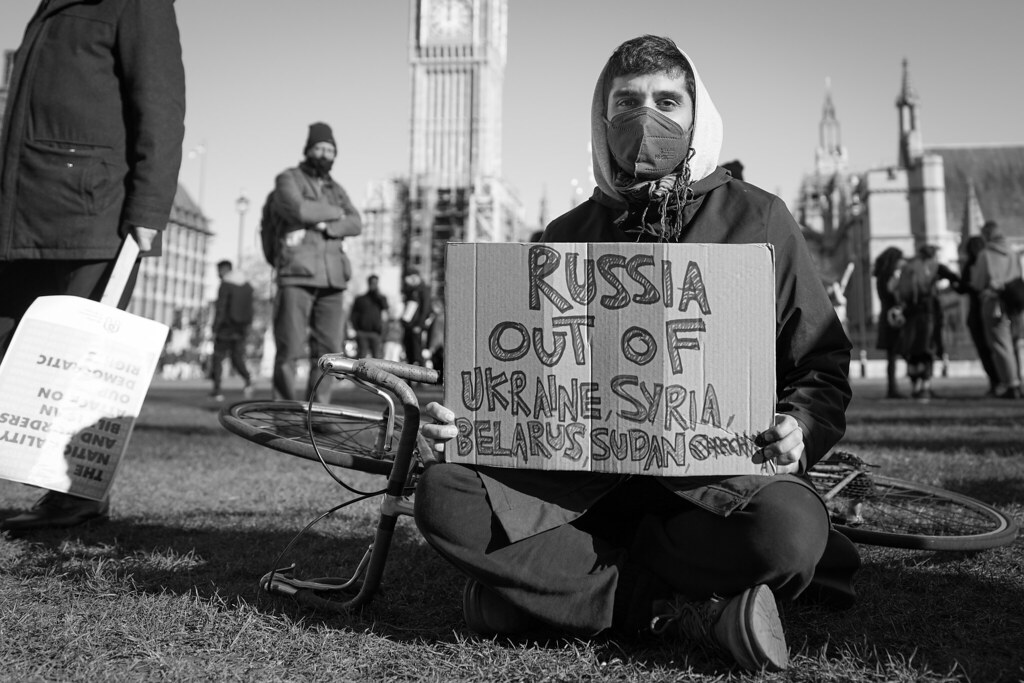
Putin nuclear threats are no longer working as a strategy to assert dominance. Recent developments indicate a shift in international response and perception regarding these threats.
The Current State of Putin’s Nuclear Threats
In recent months, the landscape of global politics has shifted dramatically, particularly in relation to Putin’s nuclear threats. Once perceived as a powerful tool for intimidation, these threats appear to be losing their effectiveness as the international community adapts to Russia’s aggressive posturing.
Analysts suggest that the continuous use of nuclear rhetoric may backfire on the Kremlin. The following factors contribute to the current state of these threats:
- Decreased Credibility: As the Russian military struggles in Ukraine, the credibility of Putin’s nuclear threats is increasingly questioned. Many nations view these statements as desperate attempts to project strength.
- Global Unity: The West has united against Russia, with countries enhancing their military cooperation and support for Ukraine, thereby diminishing the impact of any nuclear intimidation.
- Escalating Risks: The more Putin relies on nuclear threats, the greater the chance of miscalculation or escalation that could lead to catastrophic consequences for all parties involved.
Furthermore, experts argue that this strategy is fundamentally flawed for Russia’s future, as it alienates potential allies and isolates the country on the world stage. The long-term implications of maintaining a nuclear threat strategy may ultimately hinder Russia’s ability to achieve its geopolitical goals.
Historical Context of Nuclear Deterrence
The historical context of nuclear deterrence dates back to the Cold War, when the threat of nuclear weapons was a central aspect of international relations. During this period, the doctrine of mutually assured destruction (MAD) ensured that both superpowers, the United States and the Soviet Union, refrained from direct conflict due to the catastrophic consequences of nuclear war.
In recent years, however, the landscape has shifted, and Putin’s nuclear threats appear increasingly outdated. Analysts argue that the effectiveness of such threats has diminished significantly for several reasons:
- Global Political Landscape: The rise of new powers and shifting alliances have complicated the effectiveness of nuclear threats. Countries are less willing to be intimidated by outdated rhetoric.
- Technological Advancements: Developments in missile defense systems and non-nuclear military capabilities have changed the calculus of nuclear deterrence, making it less credible.
- International Norms: The global community has moved towards non-proliferation and disarmament, creating a framework that discourages the use of nuclear threats as a viable strategy.
As Russia continues to rely on its nuclear arsenal for deterrence, the implications for its future strategy are significant. The reliance on such threats may ultimately hinder diplomatic relations and exacerbate tensions rather than foster security and stability.
International Reactions to Russia’s Threats
International reactions to Russia’s nuclear threats have varied widely, reflecting deep concerns about the implications for global security. Many countries have condemned President Putin’s aggressive posturing, viewing it as a destabilizing factor in international relations.
Several nations have responded through diplomatic channels, emphasizing the importance of dialogue and disarmament. Key points of concern include:
- Enhanced Military Readiness: NATO countries have increased their military preparedness in response to Russia’s threats, conducting joint exercises and reinforcing their eastern flank.
- Sanctions and Economic Measures: Western governments have imposed further sanctions on Russia, targeting sectors that support its military capabilities, aiming to deter further nuclear escalation.
- Public Statements: World leaders, including those from the U.S. and EU, have publicly denounced Putin’s nuclear rhetoric, stressing that such threats are unacceptable and counterproductive.
Furthermore, there is a growing concern regarding the normalization of nuclear threats in geopolitical discourse. Analysts argue that Putin’s nuclear threats may backfire, as they could alienate potential allies while galvanizing opposition. Many experts suggest that relying on nuclear intimidation is a misguided strategy that fails to address the fundamental issues facing Russia today.
As the situation evolves, the international community continues to call for restraint and a return to cooperative security frameworks to mitigate the risks associated with these nuclear threats.
The Impact on Global Security
The escalating Putin nuclear threats have significant implications for global security, raising concerns among nations and affecting diplomatic relations. As Russia continues to assert its military capabilities, the potential for miscalculation increases, creating an environment of heightened tension.
Countries worldwide are reevaluating their defense strategies in response to these threats. The following points illustrate the impact on global security:
- Increased Military Expenditure: Nations are investing more in their military capabilities, fearing the unpredictability of Russia’s nuclear strategy.
- Strengthened Alliances: Countries are forming or reinforcing alliances to counterbalance Russia’s threats, with NATO being a primary focus for collective security.
- Shifts in Global Power Dynamics: The uncertainty surrounding Putin’s nuclear threats is prompting shifts in regional power balances, particularly in Eastern Europe and Asia.
- Diplomatic Strain: Russia’s aggressive stance is straining diplomatic relations, making negotiations on arms control and disarmament increasingly difficult.
- Public Sentiment: The general population in many countries is becoming more aware of nuclear risks, leading to greater advocacy for peace and disarmament initiatives.
Overall, the ramifications of Putin’s nuclear strategy extend beyond Russia, influencing global stability and prompting an urgent need for dialogue and strategic restraint among world leaders.
Changing Dynamics in U.S.-Russia Relations
The dynamics of U.S.-Russia relations have shifted significantly in recent years, particularly in the context of Putin’s nuclear threats. While the Cold War era was characterized by a clear bipolar world, the current geopolitical landscape is far more complex, with multiple players influencing outcomes on the global stage.
One of the most notable changes has been the increasing involvement of NATO and its expansion eastward, which has raised concerns in Moscow. This expansion has prompted a reevaluation of strategy on both sides, leading to a cycle of provocation and response. In this environment, Putin’s threats have become less effective, often backfiring by unifying Western nations against Russia.
Moreover, the technological advancements in missile defense systems and cyber warfare capabilities have altered the calculus of nuclear deterrence. The U.S. and its allies are now better equipped to counter potential threats, reducing the effectiveness of Russia’s nuclear posturing. The inability to achieve desired outcomes through aggressive rhetoric and brinkmanship has led to questions about the viability of this strategy for the future.
In light of these changing dynamics, many analysts argue that a more diplomatic approach may be necessary for Russia to secure its interests. Engaging in constructive dialogue rather than relying on fear may offer a path forward that fosters stability rather than escalating tensions.
Future of Nuclear Policies in Russia
The future of nuclear policies in Russia remains uncertain as the world grapples with the implications of Putin’s nuclear threats. The prevailing strategy has been to maintain a strong nuclear deterrent as a means of securing national interests; however, this approach may be increasingly counterproductive.
Experts warn that continuing to rely on nuclear threats could isolate Russia further on the global stage. Potential shifts in policy could include:
- Arms Control Agreements: Renewing and expanding arms control negotiations with other nuclear powers could foster trust and reduce tensions.
- Investment in Conventional Forces: Focusing on enhancing conventional military capabilities may provide a more stable deterrent without the risks associated with nuclear escalation.
- Public Engagement: Engaging the Russian populace in discussions about nuclear policy could lead to a more informed public and reduce support for aggressive nuclear posturing.
In light of the changing global landscape, it is essential for Russia to reassess the effectiveness of its nuclear strategy. The historical reliance on threats may no longer serve the interests of national security as it once did. Instead, a shift toward diplomacy and cooperation may provide a more sustainable path forward, ensuring that nuclear capabilities are seen as a last resort rather than a primary tool of foreign policy.
Ultimately, the adaptation of nuclear policies will be crucial in determining Russia’s future relationship with the international community.
What This Means for Global Stability
The ongoing Putin nuclear threats present a complex challenge to global stability, as they not only heighten tensions but also provoke a range of responses from other nations. The implications of these threats are multifaceted and far-reaching.
Firstly, the constant threat of nuclear escalation can lead to increased military spending among neighboring countries, as they seek to bolster their defenses against potential aggression. This arms race could destabilize entire regions, particularly in Europe and Asia, where nations may feel compelled to pursue their own nuclear capabilities.
Secondly, the political landscape may shift as countries reassess their alliances and strategies. Nations that once maintained neutral positions might be forced to align more closely with larger powers, leading to a fragmentation of global cooperation. This reallocation of power dynamics could create a more polarized international community.
Additionally, the psychological impact of such threats cannot be overlooked. The fear of nuclear confrontation may stifle diplomatic efforts, making it increasingly difficult for countries to engage in meaningful dialogue. Trust between nations could erode, leading to an environment where miscalculations and misunderstandings become more likely.
Ultimately, the long-term consequences of Putin’s nuclear threats may not only affect Russia but also reshape the global order, leading to a more unstable and unpredictable world.
Many analysts argue that the Putin nuclear threats are not only counterproductive but also jeopardize Russia’s long-term security and stability. Instead of relying on intimidation, a more diplomatic approach could help mitigate the risks associated with these Putin nuclear threats.
By alisdare1 via Openverse


Leave a Reply