
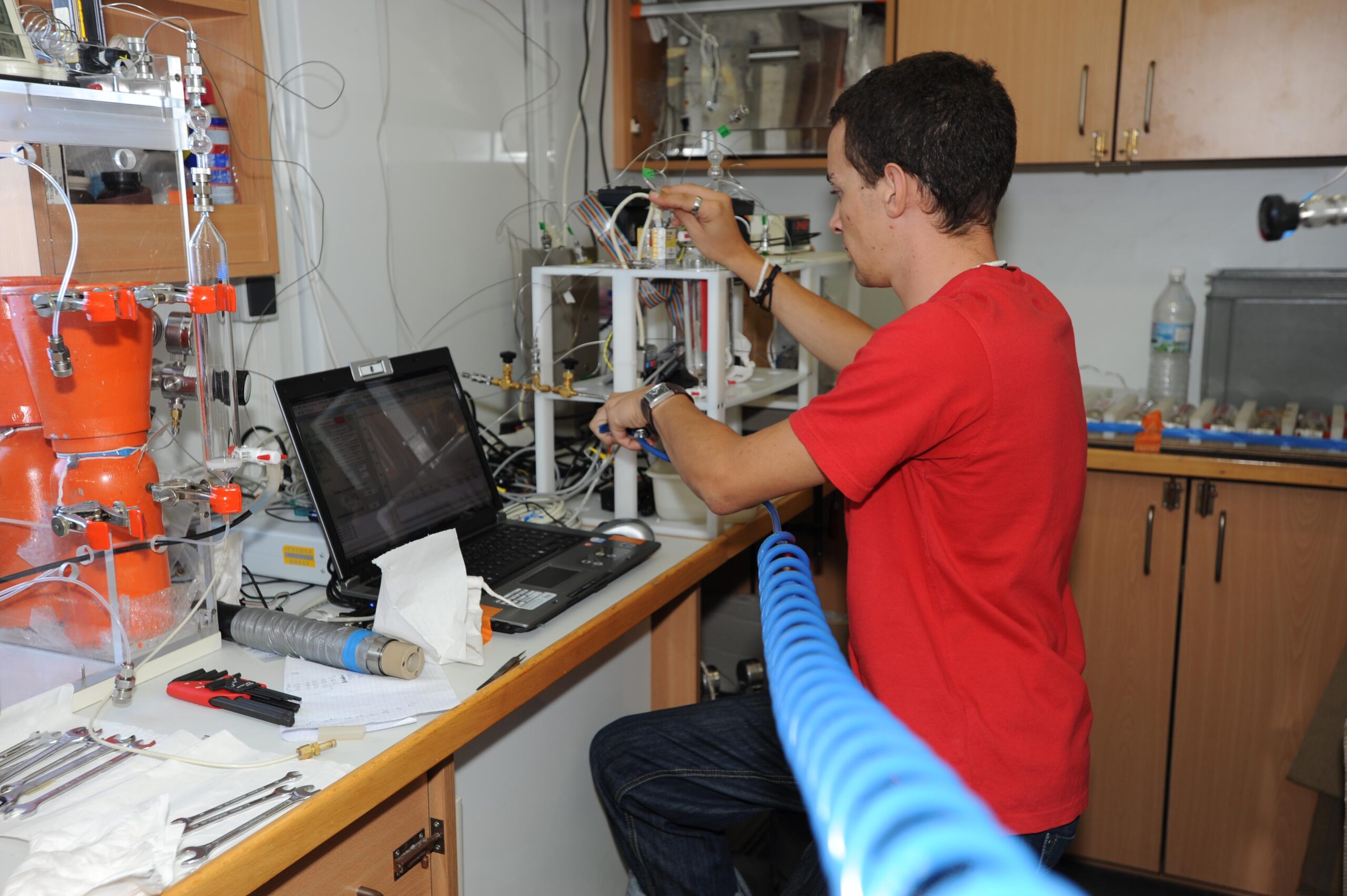
geochemical anomalies detection is essential in understanding the environmental impact of artisanal gold mining. This article examines how PCA and Mahalanobis distance can effectively identify these anomalies in eastern Ghana.
Understanding Geochemical Anomalies
Geochemical anomalies are significant deviations from the expected background levels of elements in soil or rock samples, often indicating the presence of mineral deposits. These anomalies can reveal important insights about the geological processes at play in a given area, particularly in regions associated with artisanal gold mining.
Understanding geochemical anomalies detection involves employing various statistical and analytical techniques. Among these, two prominent methods are Principal Component Analysis (PCA) and Mahalanobis distance. Both techniques are utilized to identify multielement geochemical anomalies by analyzing the relationships between different elements in the samples.
- Principal Component Analysis (PCA): This method reduces the dimensionality of the data, enabling the identification of patterns and correlations between elements, which can suggest potential mineralization zones.
- Mahalanobis Distance: This statistical measure assesses the distance between a point and a distribution, helping to identify outlier samples that may represent significant geochemical anomalies.
By effectively applying these methods, researchers can enhance their understanding of geochemical anomalies and improve exploration strategies, ultimately leading to more successful mining outcomes.
The Role of PCA in Detection
Principal Component Analysis (PCA) plays a crucial role in the detection of geochemical anomalies by simplifying complex data sets. This statistical technique allows researchers to identify patterns and relationships within multielement geochemical data, making it easier to spot anomalies that may indicate the presence of valuable minerals.
In the context of artisanal gold mining, PCA has proven effective in analyzing soil samples from eastern Ghana. The method helps in distinguishing between normal and anomalous geochemical signatures, which is vital for targeting exploration efforts. By reducing the dimensionality of the data, PCA enhances the clarity of the information, allowing for more accurate assessments of the geochemical landscape.
Furthermore, PCA can be combined with other techniques, such as the Mahalanobis distance, to improve the reliability of anomaly detection. The synergy between these methods enables a comprehensive understanding of the geochemical environment, leading to better decision-making in resource exploration.
In summary, the integration of PCA in the process of geochemical anomalies detection not only streamlines data analysis but also increases the potential for successful mineral exploration.
Mahalanobis Distance Explained
The Mahalanobis distance is a statistical measure that is crucial in the detection of geochemical anomalies. Unlike the traditional Euclidean distance, which only considers the geometric space between points, the Mahalanobis distance accounts for the correlations between variables. This makes it particularly useful in geochemical analysis, where multiple elements may exhibit interdependencies.
In the context of geochemical anomalies detection, the Mahalanobis distance provides a more nuanced understanding of the data by identifying outliers in a multivariate space. It effectively measures how far a point is from the mean of a distribution, adjusting for the covariance among variables, which is essential in distinguishing between background noise and significant anomalies.
The application of Mahalanobis distance in artisanal gold mining soils, as examined in recent studies, has shown promising results. It allows researchers to:
- Enhance accuracy in identifying potential gold deposits.
- Reduce false positives in anomaly detection.
- Integrate with Principal Component Analysis (PCA) for better visualization of data.
Overall, the utilization of Mahalanobis distance is a proven method for success in the detection of geochemical anomalies, leading to more effective exploration strategies.
Impact on Artisanal Gold Mining
The impact of geochemical anomalies detection on artisanal gold mining is profound, particularly in regions like eastern Ghana. The identification of these anomalies plays a crucial role in enhancing the efficiency of gold extraction processes. By utilizing advanced methods such as PCA and Mahalanobis distance, miners are equipped with better tools to locate gold deposits, which can significantly increase their yields.
Artisanal miners often operate with limited resources and knowledge, making the discovery of geochemical anomalies a game-changer. The following benefits highlight the importance of effective detection methods:
- Increased Profitability: By accurately pinpointing areas rich in gold, miners can optimize their efforts and maximize returns.
- Reduced Environmental Impact: Focused mining operations minimize the disturbance to surrounding ecosystems.
- Enhanced Sustainability: Efficient resource management ensures that gold mining can continue without depleting local resources.
In conclusion, leveraging geochemical anomalies detection not only aids in the success of artisanal gold mining but also promotes responsible practices that benefit both miners and the environment.
Future Research Directions
As the field of geochemical anomalies detection continues to evolve, future research directions should focus on enhancing detection methods and their applications in diverse environments. One promising area is the integration of advanced machine learning techniques with traditional statistical methods. This could lead to improved accuracy in identifying subtle geochemical anomalies that are often overlooked.
Additionally, researchers should explore the role of remote sensing technologies in geochemical analysis. By combining satellite imagery with in-situ measurements, it may be possible to map geochemical anomalies over larger areas, providing a broader context for local findings.
Another crucial avenue for future study is the examination of the environmental impacts of mining activities. Understanding how geochemical anomalies affect surrounding ecosystems can lead to more sustainable practices in artisanal gold mining.
Furthermore, interdisciplinary collaborations between geologists, ecologists, and data scientists could yield innovative approaches to interpreting geochemical data. By harnessing diverse expertise, researchers could develop more robust methodologies for detecting and analyzing geochemical anomalies, ultimately advancing our understanding of mineral exploration and environmental stewardship.
- Integration of machine learning techniques
- Use of remote sensing technologies
- Study of environmental impacts
- Interdisciplinary collaborations
Geochemical anomalies detection plays a crucial role in identifying potential mineral deposits, allowing exploration teams to focus their efforts effectively. By employing advanced techniques, geochemical anomalies detection can yield significant insights into subsurface compositions.
By Stephane Lesbats (IFREMER, Pôle Images, Centre Bretagne – ZI de la Pointe du Diable – CS 10070 – 29280 Plouzané, France) via Openverse
Sources
Shenlong space plane: The Real Hidden Discovery Worth Knowing · Metro rail projects: Are they the best investment for Gujarat? · Financial Companies Insights: Smart Analysis for Investors


Leave a Reply