
Trump racist remarks at the Iowa rally drew significant attention and backlash, particularly aimed at Abdul El-Sayed. The incident has raised questions about the current political climate and divisive rhetoric in America.
Background on Abdul El-Sayed
Abdul El-Sayed, a prominent political figure and physician, has become a focal point in the recent controversy surrounding former President Donald Trump’s remarks during an Iowa rally. El-Sayed, who was born to Egyptian immigrant parents, previously served as the health director for Detroit and gained national attention as a candidate for governor of Michigan in 2018. His campaign focused on progressive issues, including healthcare reform and economic equity.
During the rally, Trump launched into a series of comments that many interpreted as offensive and racially charged, sparking widespread condemnation. Critics have accused Trump of using racist remarks to undermine El-Sayed’s credibility and appeal to his base. El-Sayed has responded by emphasizing the need for unity and a focus on substantive policy discussions rather than personal attacks.
His background as a public health expert and advocate for social justice has positioned him as a significant voice in the ongoing debate about race and politics in America. El-Sayed’s supporters have rallied around him, voicing their discontent with the divisive nature of Trump’s comments. As the conversation continues, many are calling for accountability and a deeper examination of how race influences political discourse in the United States.
The fallout from Trump’s remarks is likely to resonate beyond the rally, impacting not just El-Sayed’s political career but also the broader landscape of American politics.
Details of Trump’s remarks
During a recent rally in Iowa, former President Donald Trump made several controversial remarks that many have labeled as racist. The comments were directed towards Abdul El-Sayed, a prominent political figure and advocate for progressive policies. Trump’s statements quickly ignited a firestorm of criticism and debate across social media platforms and news outlets.
Attendees of the rally reported that Trump referred to El-Sayed in a derogatory manner, questioning his background and implying that he did not represent American values. This was seen by many as a clear attempt to undermine El-Sayed’s credibility based on his ethnicity and heritage. Critics argue that such remarks reflect a troubling trend of using race as a political weapon.
Key points from Trump’s remarks include:
- Claims that El-Sayed is not qualified to lead due to his origins.
- A suggestion that El-Sayed’s political views are representative of a broader “foreign” influence on American politics.
- Accusations that the Democratic Party is attempting to push radical candidates like El-Sayed into mainstream politics.
Reactions to Trump’s remarks have been swift, with numerous political commentators and activists condemning his language as racist. The incident has reignited discussions about race in politics and the implications of such divisive rhetoric on the American political landscape.
Reactions from the public
Following Trump’s controversial remarks at the Iowa rally, reactions from the public have been swift and polarized. Many took to social media to express their outrage, condemning his comments as racist and divisive. The hashtag #TrumpRacistRemarks quickly trended on platforms like Twitter and Facebook, with users sharing their thoughts and calling for accountability.
Supporters of Trump defended his statements, claiming that they were taken out of context and arguing that he was merely expressing his views on the political landscape. They pointed to his stance on various issues as evidence of his commitment to America-first policies, dismissing accusations of racism as politically motivated.
In contrast, civil rights organizations have been vocal in their condemnation. Groups such as the NAACP and the Southern Poverty Law Center released statements highlighting the detrimental impact of such rhetoric on marginalized communities. “These remarks are not just offensive; they are dangerous,” said a spokesperson for one such organization. “They incite division and perpetuate harmful stereotypes.”
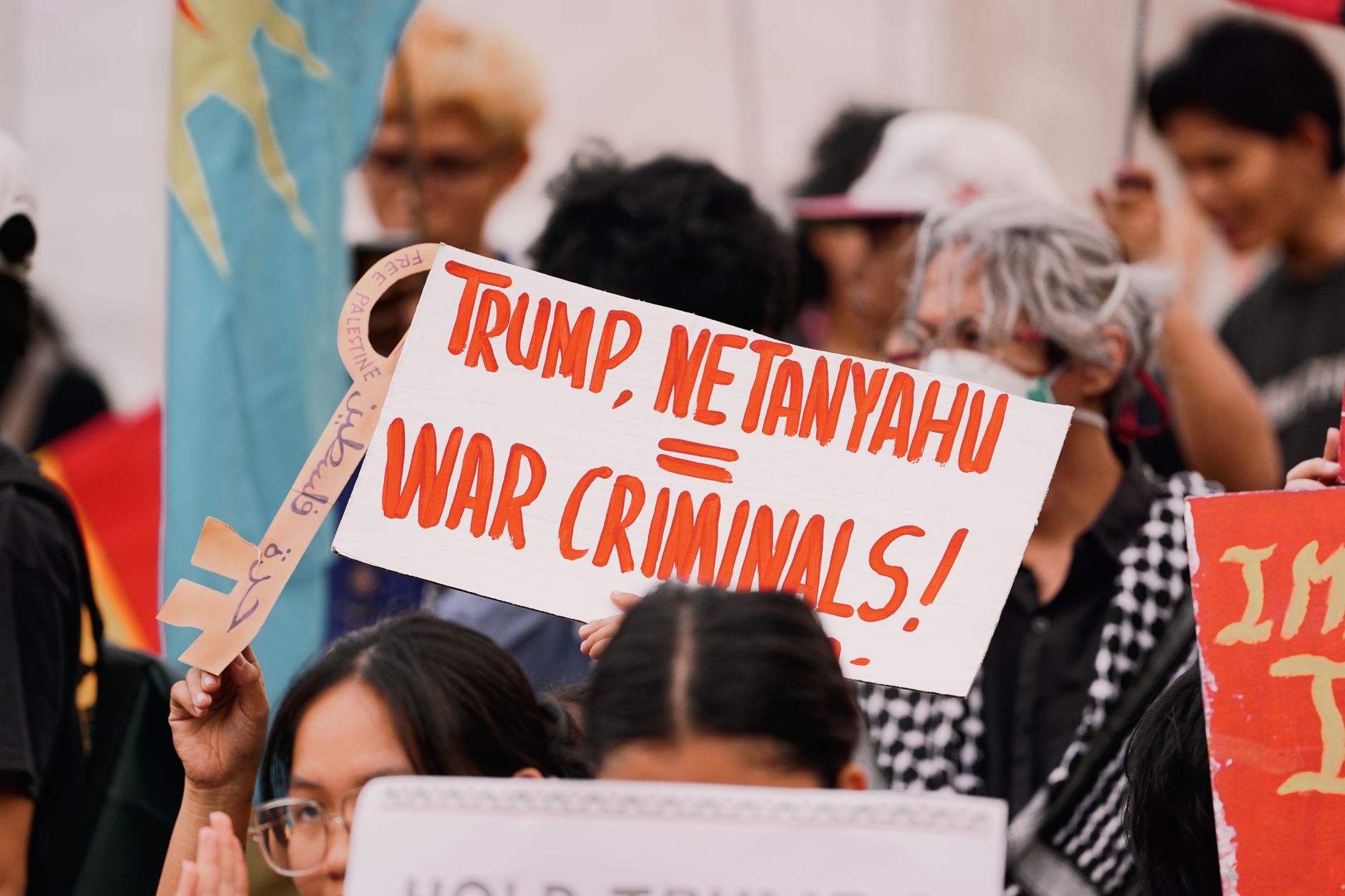
A rally organized in response to Trump’s remarks drew a diverse crowd, aiming to promote unity and inclusivity. Activists emphasized the importance of standing against racism in all forms, encouraging attendees to engage in open dialogues about race and discrimination.
As the debate continues, many are left questioning the implications of Trump’s remarks for the upcoming election and the broader societal climate.
Impact on the 2024 election
The recent comments made by former President Donald Trump during his Iowa rally have ignited significant controversy, raising questions about their potential impact on the 2024 election. Many political analysts believe that Trump’s racist remarks could alienate key voter demographics, particularly among younger and more diverse populations.
As the election approaches, the fallout from his statements may shape the dynamics of the Republican primaries. Some party members argue that such remarks could hinder Trump’s ability to unite the party and attract independent voters who are increasingly sensitive to issues of race and discrimination. Others, however, believe that his base will remain loyal, viewing these comments as part of a broader narrative against perceived political correctness.
Polling data following the rally indicates a split among Republican voters. Supporters of Trump express unwavering allegiance, often dismissing accusations of racism as politically motivated attacks. Conversely, a notable segment of the electorate is expressing concern over the implications of his language and its potential to damage the party’s image.
Moreover, the backlash from civil rights organizations and advocacy groups could translate into mobilized efforts to register voters who oppose Trump’s rhetoric. The impact of his remarks may extend far beyond Iowa, influencing strategies and messaging for candidates across the political spectrum leading into 2024.
Analysis of political rhetoric
The recent remarks made by former President Donald Trump during an Iowa rally have reignited discussions about the role of political rhetoric in contemporary discourse. Trump’s comments, widely criticized as racist, reflect a troubling trend where inflammatory language is used to galvanize support among certain voter demographics.
Political analysts suggest that such rhetoric is not merely an isolated incident but part of a broader strategy to appeal to a base that responds to divisive messaging. By targeting individuals like Abdul El-Sayed, who represents a more diverse political landscape, Trump aims to solidify his identity as a populist figure standing against the establishment.
This tactic raises important questions about the implications of normalizing racist remarks in political dialogue. Experts argue that when figures of authority engage in this behavior, it can desensitize the public to hate speech and undermine democratic values.
Furthermore, the impact of Trump’s remarks on the upcoming 2024 election cannot be understated. As candidates navigate an increasingly polarized electorate, the use of racially charged language may serve to energize Trump’s base while alienating moderate voters.
- Increased public scrutiny of political rhetoric
- Potential backlash against candidates using divisive language
- The necessity for political accountability
Ultimately, the ongoing debate surrounding Trump’s racist remarks highlights the urgent need for a reevaluation of how political figures communicate in today’s society.
Historical context of racism in politics
The historical context of racism in politics is a significant aspect of understanding the recent Trump racist remarks made at the Iowa rally. Throughout American history, political discourse has often been intertwined with racial tensions and discriminatory rhetoric.
Racism has emerged as a tool for political gain, used by various leaders to galvanize support among certain voter bases while alienating others. This strategy can be traced back to the early days of the Republic, where political factions utilized racial narratives to justify policies, including slavery and segregation.
In more recent decades, instances of racial rhetoric have frequently surfaced during election cycles. Politicians have resorted to derogatory comments and stereotypes to appeal to specific demographics, often leading to heightened societal divisions. The Civil Rights Movement of the 1960s highlighted the struggle against such rhetoric, yet remnants of these attitudes persist in modern political discourse.
Trump’s remarks at the Iowa rally echo a long-standing tradition where incendiary language is employed to rally support, drawing both criticism and applause. As discussions around race continue to evolve, the implications of such remarks not only shape immediate public perception but also contribute to the broader narrative of race in American politics.
Understanding this historical context is crucial for analyzing the reactions and impacts that arise from such statements today.
The recent Iowa rally has brought renewed attention to the Trump racist remarks that have sparked outrage among various communities. Critics argue that these Trump racist remarks reflect a troubling trend in political discourse today.




Leave a Reply