
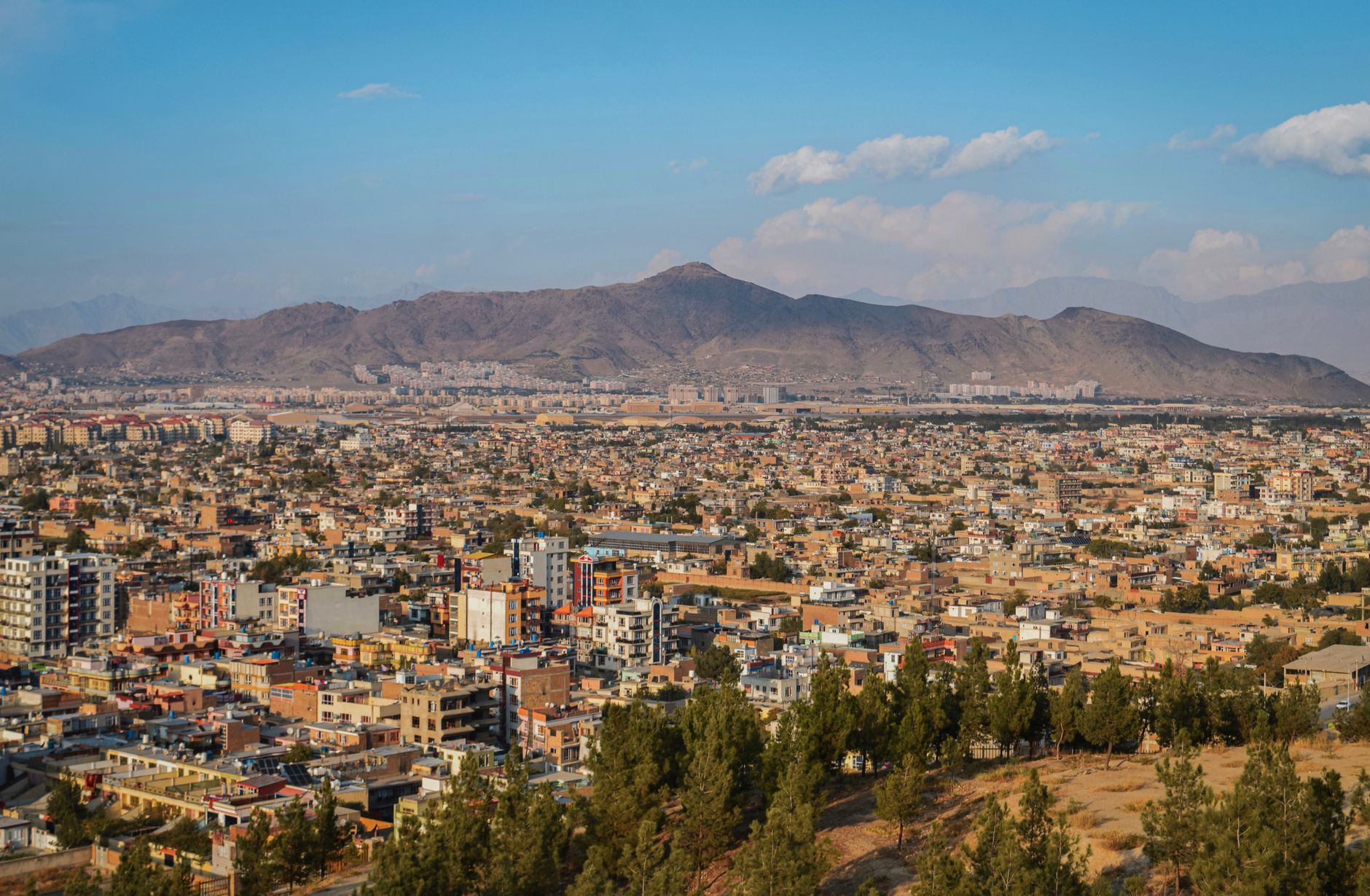
Al-Qaeda regrouping in Afghanistan poses significant risks to international security. As the 25th anniversary of 9/11 approaches, the implications of this resurgence warrant urgent attention.
Understanding Al-Qaeda’s Strategy
In recent months, intelligence reports have indicated that Al-Qaeda is regrouping in Afghanistan, raising concerns among security analysts about the potential resurgence of the group. This development comes just 25 years after the 9/11 attacks, which fundamentally altered global security dynamics.
Understanding Al-Qaeda’s strategy requires a comprehensive look at their operational tactics and ideological motivations. The group has historically leveraged instability in regions to rebuild its networks and enhance its capabilities. Currently, the following elements characterize their strategy:
- Exploitation of Weak Governance: Al-Qaeda often thrives in regions with limited governmental authority, allowing them to establish safe havens.
- Ideological Propaganda: The group continues to spread its extremist ideologies, aiming to recruit new members who are disillusioned with local regimes or Western influence.
- Strategic Alliances: Al-Qaeda seeks alliances with other militant groups to bolster its strength, providing mutual support and resources.
- Focus on Resilience: The organization emphasizes resilience, learning from past failures and adapting to counter-terrorism measures.
As Al-Qaeda’s regrouping in Afghanistan unfolds, the international community must remain vigilant. The implications of a strengthened Al-Qaeda could extend beyond regional borders, threatening global security.
The Impact of U.S. Withdrawal
The recent withdrawal of U.S. troops from Afghanistan has raised significant concerns regarding the resurgence of terrorist groups, particularly Al-Qaeda. Analysts suggest that this move has created a vacuum that allows Al-Qaeda to regroup in Afghanistan, posing a threat not only to regional stability but also to global security.
With the Taliban’s return to power, the conditions for Al-Qaeda’s resurgence have improved dramatically. The Taliban has historically maintained ties with Al-Qaeda, providing the group with a safe haven. This relationship facilitates the reestablishment of training camps and operational bases, which could lead to increased activity both within Afghanistan and beyond its borders.
The implications of this situation are multi-faceted:
- Increased Terrorism Risks: A stronger Al-Qaeda presence could lead to more coordinated attacks against not only Afghan targets but also international ones.
- Regional Instability: Neighboring countries may face spillover effects, leading to heightened tensions and potential conflicts.
- International Response: The resurgence of Al-Qaeda may compel the international community to reconsider its approach to Afghanistan and counterterrorism strategies.
As Al-Qaeda regrouping in Afghanistan continues to unfold, the long-term consequences for peace and security in the region remain uncertain, underscoring the need for vigilance and proactive measures from global powers.
Regional Implications for Afghanistan
The recent resurgence of Al-Qaeda in Afghanistan carries significant regional implications that cannot be overlooked. As the group begins to regain strength, neighboring countries face increased risks of instability and violence. The potential for cross-border terrorism has alarmed nations that share a border with Afghanistan, particularly Pakistan, India, and Iran.
One major concern is the possibility of Al-Qaeda using Afghan territory as a base for launching attacks across the region. This could disrupt local governance and exacerbate existing tensions, especially in areas already plagued by conflict. The Pakistani government, for instance, has expressed worries about the influx of militants into its territory, which may destabilize the already fragile security situation.
Furthermore, the resurgence of Al-Qaeda may embolden other extremist groups in the region, potentially leading to a rise in coordinated attacks and a renewed focus on jihadist ideologies. This resurgence can also undermine peace processes in places like Afghanistan, where attempts at reconciliation have been fragile at best.
The international community must remain vigilant and ready to respond to these developments. Given the historical context of the group’s activities, the threat posed by Al-Qaeda regrouping in Afghanistan is not just an Afghan problem; it has far-reaching implications for regional and global security.
International Response to Terrorism
The resurgence of Al-Qaeda in Afghanistan has prompted a renewed international response to the growing threat posed by terrorism. As nations grapple with the implications of this regrouping, a unified strategy is critical.
In recent months, several countries have expressed concern over the stability of Afghanistan and the potential for Al-Qaeda to expand its influence. Key points of international response include:
- Increased Surveillance: Nations are enhancing intelligence-sharing mechanisms to monitor Al-Qaeda activities more effectively.
- Counterterrorism Alliances: Countries are forming coalitions to combat terror groups, focusing on both military and diplomatic efforts.
- Humanitarian Aid with Conditions: Some governments are linking humanitarian assistance to the Taliban’s commitment to prevent terrorist activities, directly addressing the threat of Al-Qaeda’s resurgence.
Furthermore, there is a growing call for the international community to engage with Afghanistan’s neighbors to create a multilateral approach to counterterrorism. The potential for Al-Qaeda to exploit geopolitical tensions in the region underscores the need for collaboration.
As the world remembers the events of 9/11, the threat of Al-Qaeda regrouping in Afghanistan serves as a stark reminder that vigilance is essential. The time to act is now, as failure to do so could lead to dire consequences for global security.
Lessons from the Past 25 Years
As the world reflects on the past 25 years since the tragic events of September 11, 2001, it is crucial to draw lessons from the history of Al-Qaeda and its evolving strategies. The organization has demonstrated a remarkable ability to adapt and regroup, particularly in Afghanistan, where it has found both a haven and a strategic base for its operations.
One of the key takeaways is the importance of sustained vigilance. The U.S. and its allies had significant success in disrupting Al-Qaeda in its early years, but the lack of long-term commitment allowed the group to resurface in various forms. The current situation in Afghanistan highlights how quickly Al-Qaeda can exploit political instability and power vacuums.
Moreover, the interplay between local insurgent groups and international terrorism cannot be overlooked. Al-Qaeda’s ability to forge alliances with regional actors has enabled it to maintain influence despite military setbacks. This reflects a broader pattern of terrorist organizations that thrive on chaos and conflict.
- Historical Context: Understanding the rise and fall of Al-Qaeda provides insights into its current operations.
- Importance of Cooperation: Effective counter-terrorism requires collaboration between nations.
- Public Awareness: Educating communities about the signs of extremist activity is essential.
In conclusion, the regrouping of Al-Qaeda in Afghanistan serves as a stark reminder of the persistent threat posed by terrorist organizations and the need for ongoing global cooperation to combat this menace.
Al-Qaeda Regrouping in Afghanistan: What It Means
The emergence of Al-Qaeda regrouping in Afghanistan presents a complex challenge for both the region and the international community. As the group strengthens its foothold, several implications arise that warrant attention.
- Increased Terrorism Threat: The revival of Al-Qaeda could lead to a surge in terrorist activities not only within Afghanistan but also beyond its borders. The group’s ability to recruit and train operatives poses a direct threat to global security.
- Destabilization of Afghanistan: With Al-Qaeda’s resurgence, Afghanistan risks sliding back into chaos. A strengthened terrorist presence could undermine any progress made in governance and stability, further complicating humanitarian efforts.
- Regional Tensions: Neighboring countries may feel the repercussions of Al-Qaeda’s activities, leading to increased military readiness and potential conflicts. Nations like Pakistan and India are closely monitoring the situation, fearing spillover effects.
- Global Counterterrorism Strategies: The international response will need to adapt to the changing dynamics, emphasizing collaboration among nations to counteract Al-Qaeda’s resurgence effectively.
In conclusion, Al-Qaeda regrouping in Afghanistan signifies more than just a revival of a terrorist organization; it marks a critical juncture where local, regional, and global security interests converge, necessitating a coherent and unified response.
Future of Global Security
The future of global security is increasingly uncertain as Al-Qaeda continues to regroup in Afghanistan, posing significant challenges to international stability. The resurgence of this terrorist organization raises alarms about the potential for a new wave of extremist activities that could impact nations worldwide.
Experts warn that the combination of a weakened Afghan government and the re-emergence of Al-Qaeda could create a fertile ground for terrorism. Key factors influencing this precarious situation include:
- Increased recruitment: With a lack of economic opportunities and political instability, vulnerable populations may be more susceptible to extremist ideologies.
- Training camps: The potential establishment of new training facilities in remote areas of Afghanistan could enhance Al-Qaeda’s operational capabilities.
- Global networks: Collaboration with other terrorist organizations could expand Al-Qaeda’s reach, making it a more formidable threat.
- Technological advancements: The use of modern technology for propaganda and recruitment further complicates counter-terrorism efforts.
As nations grapple with these challenges, the need for a coordinated international response becomes urgent. The lessons learned from previous encounters with terrorism underscore the importance of vigilance and proactive measures to prevent the spread of extremist ideologies. The regrouping of Al-Qaeda in Afghanistan is not merely a regional concern; it is a pressing global issue that requires immediate attention and action.
The resurgence of Al-Qaeda regrouping in Afghanistan poses a significant challenge to global security. Many experts believe that the risks associated with Al-Qaeda regrouping in Afghanistan have reached alarming levels.
Photo by Qasim Mirzaie on Pexels




Leave a Reply