
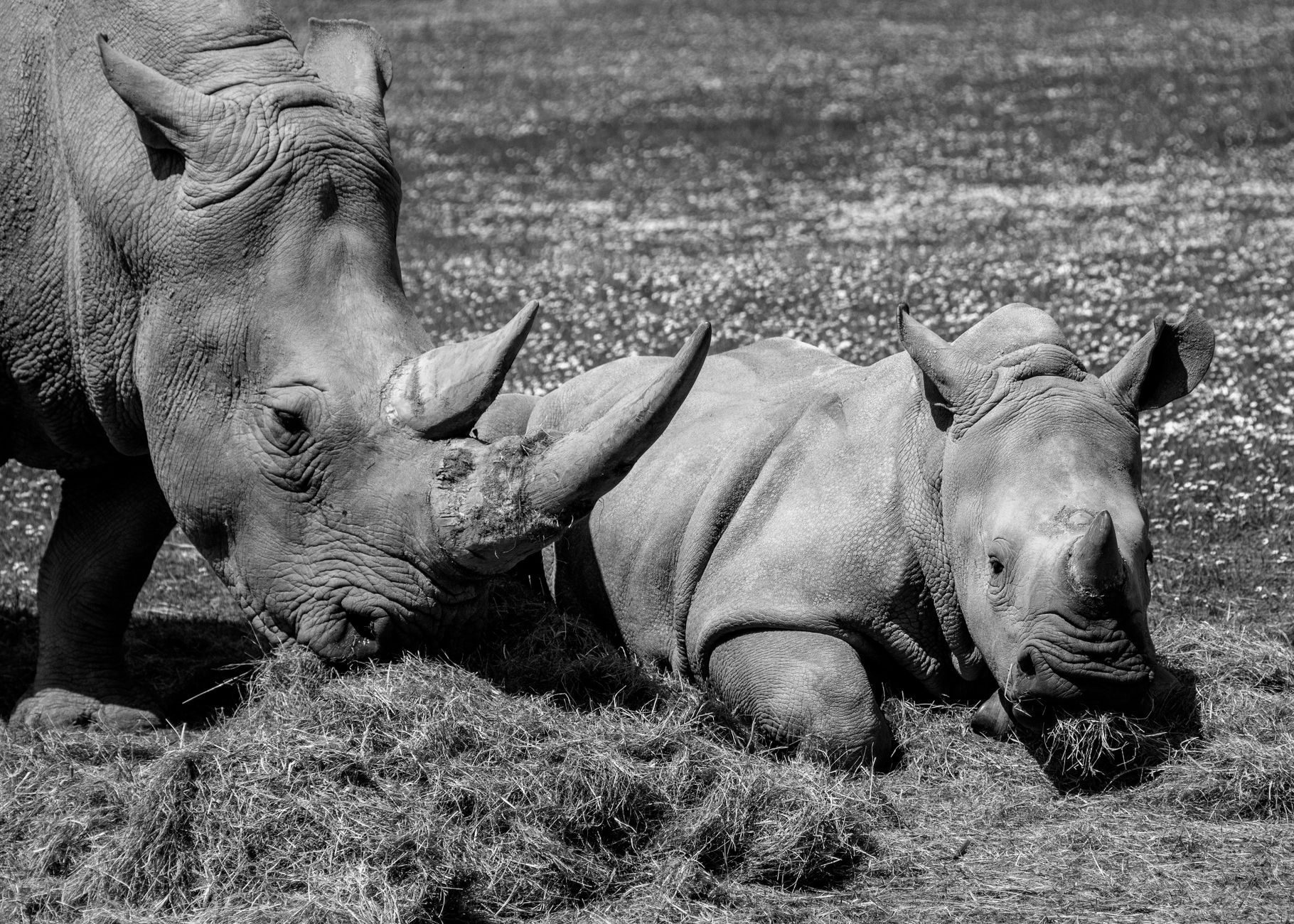
India rhino population has shown significant growth recently. The latest data reveals important insights into the state-wise distribution of rhinos for 2026.
Overview of Rhino Population in India
India is home to a significant population of rhinos, primarily the Indian rhinoceros or rhinoceros unicornis. As of the latest data, the country has made remarkable progress in rhino conservation, showcasing a steady increase in its rhino population over the past decade. This growth can be attributed to extensive conservation efforts, including anti-poaching measures and habitat restoration.
According to reports released ahead of World Rhino Day 2026, the Indian rhino population is distributed across several key states:
- Assam: The state boasts the largest population, with Kaziranga National Park being a major sanctuary.
- West Bengal: Home to the Jaldapara National Park, known for its successful rhino conservation initiatives.
- Uttarakhand: The presence of the Rajaji National Park contributes to the overall numbers.
Efforts to monitor and protect these majestic creatures are ongoing, with conservationists optimistic about reaching new population milestones by 2026.
State-Wise Breakdown of Rhino Numbers
The latest data on the India rhino population reveals significant regional variations that are crucial for conservation efforts. Below is a state-wise breakdown of rhino numbers as of the latest survey:
- Assam: Home to the majority of India’s rhinos, Assam boasts approximately 2,500 individuals, primarily in Kaziranga and Manas National Parks.
- West Bengal: The Jaldapara National Park in West Bengal has seen a steady increase, currently housing around 300 rhinos.
- Uttarakhand: The population in Uttarakhand, particularly in the Rajaji National Park, is estimated at around 50 rhinos.
- Uttar Pradesh: The Dudhwa National Park contributes a smaller but vital population, with roughly 40 rhinos recorded.
This detailed breakdown is essential for setting conservation priorities and addressing the challenges faced by these majestic creatures. With growing awareness and targeted initiatives, the hope is to further bolster the India rhino population by 2026.
Conservation Efforts for Rhinos
The conservation efforts for rhinos in India have gained momentum over the years, significantly contributing to the increase in the India rhino population. Various governmental and non-governmental organizations have collaborated to implement effective strategies aimed at protecting these majestic creatures.
Key initiatives include:
- Anti-poaching measures: Increased patrolling in protected areas and stringent laws have resulted in a decline in poaching incidents.
- Habitat restoration: Efforts to restore and maintain natural habitats ensure that rhinos have adequate space to thrive.
- Community engagement: Involving local communities in conservation initiatives has fostered a sense of ownership and responsibility towards rhino preservation.
- Research and monitoring: Regular data collection and monitoring of rhino populations help in assessing the effectiveness of conservation strategies.
As India approaches 2026, continued focus on these efforts will be crucial in sustaining and growing the rhino population, ensuring their survival for future generations.
Challenges Facing Rhino Population
The rhino population in India faces several significant challenges that threaten its stability and growth. These challenges can severely impact conservation efforts aimed at ensuring the survival of this iconic species.
- Poaching: The illegal hunting of rhinos for their horns remains a critical threat. Despite stringent laws, poaching persists, driven by high demand in illegal markets.
- Habitat Loss: Urbanization and agricultural expansion have led to the destruction of natural habitats. This loss forces rhinos into smaller, fragmented areas, making them more vulnerable.
- Human-Wildlife Conflict: As human populations expand, encounters between rhinos and people increase. This can lead to retaliatory killings and further endanger the rhino population.
- Climate Change: Changes in climate patterns can disrupt the ecosystems essential for rhino survival, affecting food sources and breeding grounds.
Addressing these challenges is crucial to the continued recovery and growth of the India rhino population, especially as 2026 approaches.
Impact of Tourism on Rhino Conservation
The relationship between tourism and rhino conservation in India is complex and multifaceted. On one hand, eco-tourism can provide much-needed funding for conservation initiatives, while on the other hand, it may lead to habitat disruption and increased human-wildlife conflict.
Tourism in regions like Kaziranga National Park and Manas National Park has significantly contributed to the protection of the Indian rhino population. Revenues generated from park fees and guided tours are often reinvested into conservation efforts, including anti-poaching patrols and habitat restoration.
However, the influx of tourists can also pose risks. Increased human presence may lead to stress for the rhinos and other wildlife, potentially affecting their behavior and reproduction. Additionally, infrastructure development to accommodate tourists can encroach on critical habitats.
To achieve a sustainable balance, stakeholders must prioritize responsible tourism practices that enhance conservation while minimizing negative impacts on the rhino population. Striking this balance is essential for ensuring a thriving future for India’s rhinos.
Future Projections for Rhino Population in India
As we look ahead to 2026, projections for the India rhino population suggest a cautiously optimistic outlook, given the ongoing conservation efforts. With significant investments in habitat preservation and anti-poaching initiatives, experts believe that the population could see a steady increase.
Key factors influencing future projections include:
- Habitat Restoration: Successful restoration projects in key regions may provide essential breeding grounds.
- Anti-Poaching Measures: Enhanced surveillance and community engagement have shown promising results in reducing poaching incidents.
- Legislative Support: Stronger wildlife protection laws and policies are vital for sustaining population growth.
- Public Awareness: Increased awareness and education about the importance of rhinos can foster community support for conservation efforts.
However, challenges remain, including habitat encroachment and climate change. It is crucial for stakeholders to continue their commitment to protecting these majestic creatures to ensure that the India rhino population thrives in the years to come.
The latest studies suggest that the India rhino population could see significant growth by 2026 if current conservation efforts continue. Understanding the trends in the India rhino population is crucial for effective wildlife management strategies moving forward.
Photo by David Atkins on Pexels
Where this came from
You might also like
Rayleigh frequency barrier: Is it the best breakthrough in electrosprays? · Guru Nanak: The Best Proven Revolutionary Leader in History · Dow futures jump: Quick market boost as oil eases

Leave a Reply