
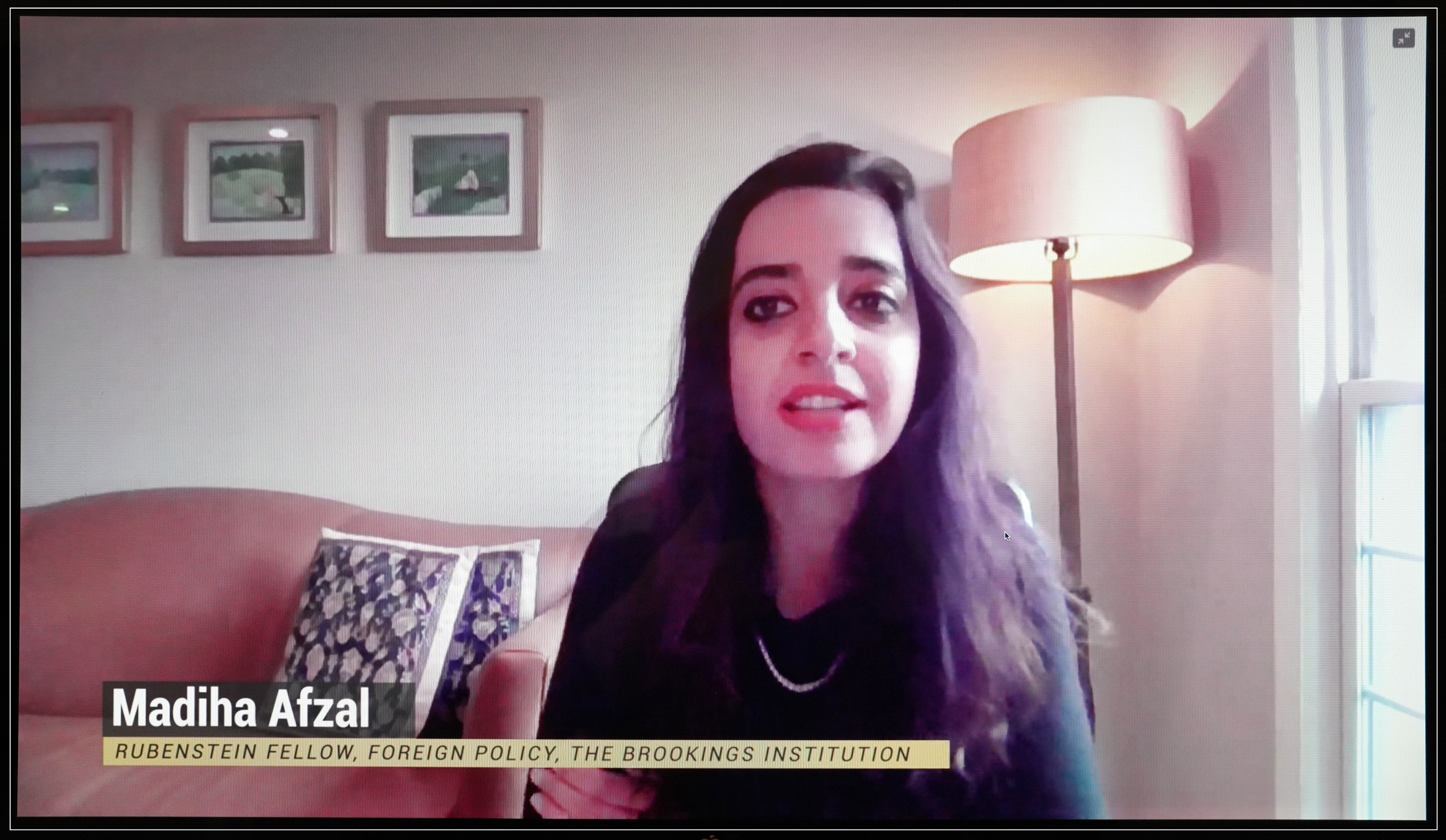
India Pakistan relations have reached a boiling point as India hits back at Pakistan at the UNHRC, calling out the export of terror. This escalating situation raises questions about regional stability.
Background on India Pakistan Relations
The relationship between India and Pakistan has been historically marked by tension and conflict, primarily stemming from territorial disputes and differing national ideologies. A significant point of contention is the issue of Jammu and Kashmir, which both nations claim in full but administer in part. Over the decades, various attempts at dialogue have been made, yet issues such as cross-border terrorism continue to strain ties.
Recently, India criticized Pakistan at the United Nations Human Rights Council (UNHRC), highlighting the latter’s alleged role in the “export of terror.” This statement underscores ongoing concerns regarding Pakistan’s support for militant groups that target India.
- Key Issues:
- Jammu and Kashmir dispute
- Cross-border terrorism
- Diplomatic relations
This backdrop is crucial to understanding the complexities of India Pakistan relations today.
Recent UNHRC Developments
Recent developments at the United Nations Human Rights Council (UNHRC) have spotlighted the ongoing tensions in India Pakistan relations. During a recent session, India strongly criticized Pakistan for its alleged support of terrorism, emphasizing the need for accountability and the cessation of cross-border terrorism.
India’s representative highlighted specific instances of terrorist activities emanating from Pakistan, urging the international community to recognize the impact of these actions on regional stability. In contrast, Pakistan’s Prime Minister, Shehbaz Sharif, addressed the council, accusing India of human rights violations in Jammu and Kashmir.
Key points raised during the discussions included:
- Accusations of Pakistan’s ‘export of terror’ by Indian officials.
- The call for a unified stance against terrorism.
- Concerns regarding human rights conditions in the region.
The exchange reflects the complexities and challenges that continue to define India Pakistan relations on the global stage.
India’s Response to Terror Accusations
In a recent address at the United Nations Human Rights Council (UNHRC), India firmly rejected Pakistan’s accusations concerning its role in regional terrorism. Indian representatives emphasized that the allegations were an attempt to divert attention from Pakistan’s own history of supporting terrorist activities.
India’s response highlighted several key points:
- Export of Terror: India condemned Pakistan for its continued export of terror, underscoring the need for accountability on the international stage.
- PoK Issues: The Indian delegation reiterated its stance on Pakistan-occupied Kashmir (PoK), calling for its rightful return to India.
- International Cooperation: India urged the international community to recognize and address the threats posed by Pakistan’s ongoing support for terrorism.
This robust stance reflects India’s broader strategy in managing its relations with Pakistan, particularly in light of recent developments surrounding India Pakistan relations.
Impact on Regional Stability
The ongoing tensions between India and Pakistan have far-reaching implications for regional stability. As both nations navigate their complex relationship, the specter of conflict looms large, impacting not only bilateral ties but also the broader geopolitical landscape.
Recent accusations of terrorism from India towards Pakistan, particularly during discussions at the United Nations Human Rights Council (UNHRC), have intensified concerns. Analysts argue that the India Pakistan relations are at a critical juncture, where dialogue is essential for peace.
Key factors influencing stability include:
- Military Posturing: Increased defense spending and troop deployments along borders.
- Cross-Border Terrorism: Allegations of Pakistan’s involvement in supporting militant activities in India.
- International Mediation: The role of global powers in facilitating dialogue and reducing tensions.
Ultimately, the path forward will depend on both nations’ willingness to engage constructively and address underlying issues.
By U.S. Institute of Peace via Openverse
Read the original
News18 · India Pakistan relations
Drought-Hit Farmers Subsidy: Quick Relief for Karnataka’s Farmers · Breaking Data Silos: The Right Approach to AI and Verified Data · Brampton weather news: Clear updates and proven insights



Leave a Reply