
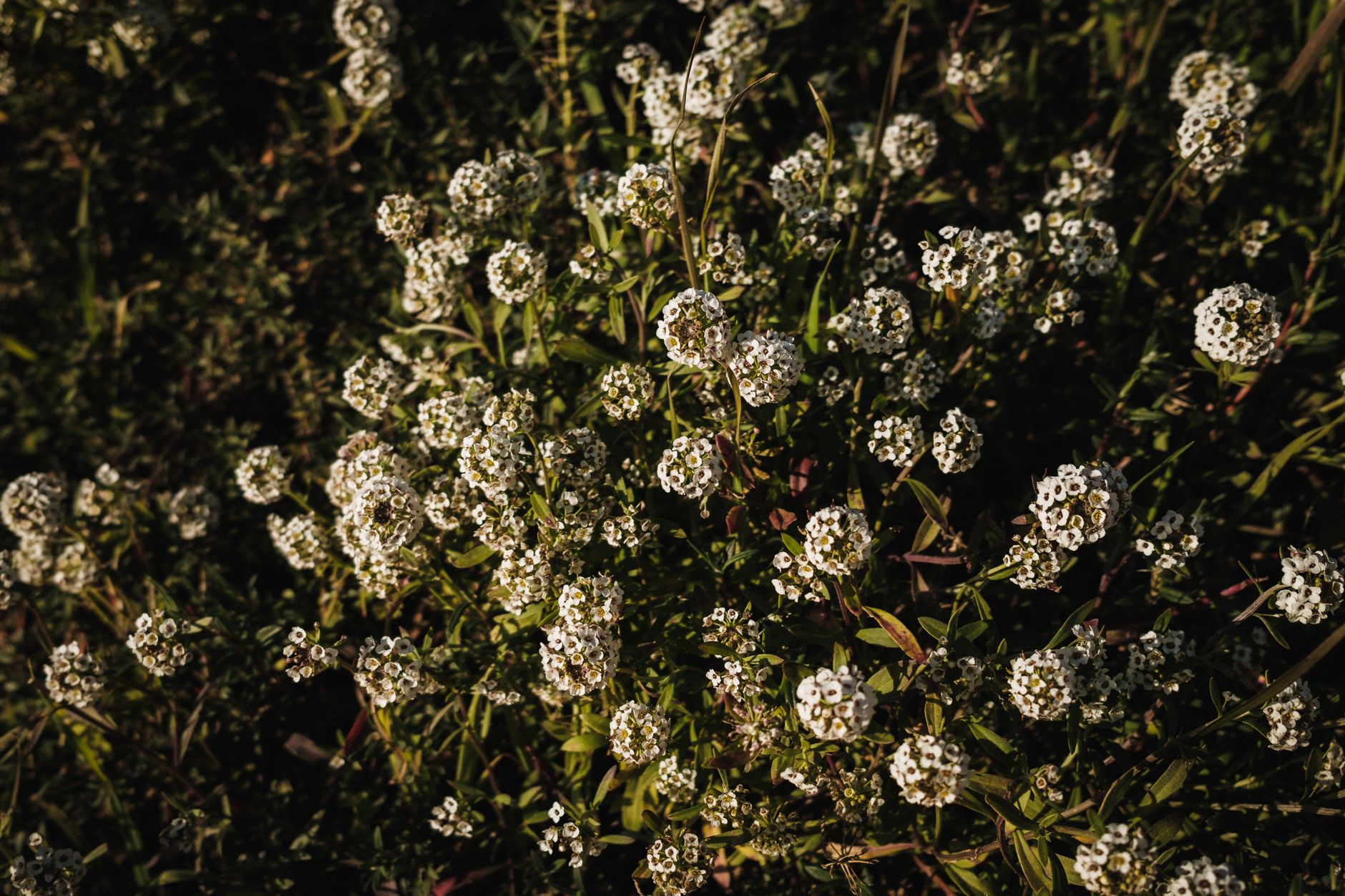
The tiniest flowering plant has the potential to transform how astronauts are fed during deep space missions. This groundbreaking discovery could lead to sustainable food sources far beyond Earth.
What is the tiniest flowering plant?
The tiniest flowering plant, known as *Wolffia*, is gaining attention for its potential to provide safe food solutions for astronauts during deep space missions. This minuscule aquatic plant belongs to the duckweed family and is often referred to as watermeal. Measuring just 0.1 to 0.2 millimeters in size, *Wolffia* holds the record as the smallest flowering plant on Earth.
Despite its tiny stature, it boasts remarkable nutritional benefits. Here are some key features of *Wolffia*:
- Nutritional Value: Rich in protein, vitamins, and essential amino acids.
- Rapid Growth: Can double in biomass in just a few days under optimal conditions.
- Environmental Impact: Grows in freshwater and can help purify water by absorbing pollutants.
- Space Adaptability: Its small size and fast growth make it an ideal candidate for space farming.
As space exploration advances, incorporating the tiniest flowering plant into astronauts’ diets could enhance food sustainability and contribute to the overall success of long-duration space missions.
Importance of sustainable food in space
The exploration of space brings unique challenges, particularly when it comes to sustainable food sources for astronauts. As missions extend beyond Earth’s orbit, ensuring a reliable supply of nutrition becomes increasingly critical. The tiniest flowering plant, known as *Wolffia*, has emerged as a promising candidate for meeting these needs.
Sustainable food production in space is essential for several reasons:
- Nutritional Value: Fresh food is vital for maintaining the health and well-being of astronauts during long missions.
- Resource Efficiency: The tiniest flowering plant can be cultivated in small spaces, requiring minimal water and nutrients, making it ideal for space habitats.
- Psychological Benefits: Growing plants can improve the mental health of astronauts by providing a sense of normalcy and connection to Earth.
- Bioregenerative Life Support: Plants contribute to the recycling of air and water, creating a closed-loop system that is essential for life in space.
By integrating the tiniest flowering plant into their diets, astronauts can not only fulfill their nutritional needs but also contribute to a sustainable future for space exploration.
How this plant can grow in space
The tiniest flowering plant, known as *Wolffia*, has shown remarkable potential for growth in space environments, making it an ideal candidate for future astronaut missions. Research indicates that *Wolffia* can thrive in various conditions, which is crucial for long-duration space travel. This plant, which floats on water and resembles a tiny green speck, can be cultivated in aquaponic systems that utilize limited resources efficiently.
One of the key advantages of growing this minuscule plant in space is its rapid growth cycle. In optimal conditions, *Wolffia* can double its biomass in just a few days, providing astronauts with fresh food supplies without the need for extensive farming infrastructure. Furthermore, its high protein content makes it a nutritious option for astronauts who require a balanced diet during their missions.
Additionally, *Wolffia* contributes to a closed-loop ecosystem by absorbing carbon dioxide and releasing oxygen, creating a sustainable environment for long-term habitation in space. As scientists continue to explore innovative solutions for feeding astronauts on deep space missions, the tiniest flowering plant stands out as a promising alternative, offering both nutritional value and environmental benefits.
Research behind the discovery
Recent research has unveiled fascinating insights into the tiniest flowering plant, known as Wolffia, which has captured the attention of scientists and space agencies alike. This diminutive aquatic plant, often referred to as watermeal, is not only remarkable for its size but also for its potential role in sustainable food production for astronauts on long missions.
Scientists have conducted extensive studies on the growth patterns and nutrient profiles of Wolffia, discovering that it can thrive under varying conditions, including low light and high carbon dioxide levels, which mimic the environment of space. This adaptability makes it a promising candidate for cultivation in controlled environments aboard spacecraft.
Furthermore, researchers have highlighted several key benefits of using the tiniest flowering plant in space missions:
- Rapid growth: Wolffia can double its biomass in just a few days, providing a quick source of nutrition.
- Nutritional value: It is rich in proteins, vitamins, and essential amino acids, making it a complete food source.
- Water efficiency: The plant requires minimal water, which is a critical resource in space exploration.
These findings pave the way for innovative approaches to food sustainability in extraterrestrial environments.
Potential benefits for astronauts
The tiniest flowering plant, known as *Wolffia*, presents numerous potential benefits for astronauts embarking on long-duration space missions. As the quest for sustainable food sources continues, this remarkable plant could play a crucial role in ensuring the well-being of crew members far from Earth.
One of the most significant advantages of utilizing *Wolffia* is its exceptional nutritional profile. This plant is rich in essential vitamins, proteins, and minerals, making it an ideal food source for astronauts who need to maintain their health and energy levels in challenging environments. Additionally, *Wolffia* has a high growth rate and can produce food rapidly, which is vital for maintaining a steady supply in space.
Furthermore, this tiny plant requires minimal resources to thrive. It can grow in various conditions with little water and without soil, making it an efficient choice for space farming. Its small size allows for easier storage and transport, simplifying logistics for space missions.
Incorporating the tiniest flowering plant into astronauts’ diets could reduce reliance on pre-packaged food and enhance food security during missions, ultimately leading to a more enjoyable and healthier experience in space.
Challenges of growing plants in space
Growing plants in space presents a unique set of challenges that researchers must overcome to ensure the success of long-duration missions. The absence of gravity affects water distribution, making it difficult for plants to absorb nutrients effectively. Additionally, the limited space available on spacecraft restricts the cultivation area for even the tiniest flowering plant.
Another significant obstacle is the harsh environmental conditions found in space, such as increased radiation and fluctuating temperature levels. These factors can hinder plant growth and affect their ability to produce food. To combat these issues, scientists are developing advanced hydroponic systems that can optimize water and nutrient delivery to plants.
Moreover, the psychological well-being of astronauts is a critical consideration. Growing the tiniest flowering plant not only provides a sustainable food source but also offers a sense of normalcy and connection to Earth. Research has shown that tending to plants can reduce stress levels and improve overall morale among crew members during long missions.
Ultimately, addressing these challenges is essential for ensuring that astronauts can thrive in deep space environments, making the ongoing study of the tiniest flowering plant a promising avenue for future exploration.
Future of space agriculture
The future of space agriculture looks promising with the discovery of the tiniest flowering plant, which could revolutionize how astronauts sustain themselves during long-duration missions. As space agencies prepare for deep space exploration, the need for efficient food sources becomes critical. This diminutive plant not only requires minimal resources to grow but also offers essential nutrients and vitamins necessary for human health.
Research indicates that cultivating this tiny flowering plant in controlled environments, such as space stations or planetary habitats, could significantly reduce dependency on pre-packaged food. Its rapid growth cycle allows astronauts to harvest fresh food, enhancing their diets and overall well-being during extended missions.
Furthermore, the integration of this plant into space agriculture could lead to advancements in hydroponic and aeroponic systems, making it easier to grow food in low-gravity conditions.
However, challenges remain, including optimizing growth conditions and ensuring the plant’s resilience against space radiation. Addressing these issues will be crucial for successful implementation.
- Increased nutritional diversity for astronauts
- Reduced waste from packaged food
- Potential for community engagement in space missions
Ultimately, the tiniest flowering plant holds the key to a sustainable future for space agriculture.
Conclusion: A new era for space food
As humanity ventures further into the cosmos, the need for sustainable food sources becomes paramount. The discovery of the tiniest flowering plant could mark a significant turning point in space agriculture, providing astronauts with a viable option for fresh food during long missions. This innovative solution not only addresses nutritional needs but also contributes to psychological well-being, offering a slice of Earth amidst the vastness of space.
The research surrounding this diminutive plant has revealed its remarkable adaptability, allowing it to thrive in environments previously deemed inhospitable. As scientists continue to refine the techniques for growing plants in microgravity, the potential for cultivating a variety of crops expands. This advancement could pave the way for more diverse diets, reducing reliance on pre-packaged food.
However, challenges remain. Scientists must overcome obstacles related to plant growth cycles and nutrient absorption in space. Yet, the successful integration of such plants into astronauts’ diets could revolutionize space missions, making long-term exploration feasible.
Ultimately, the advent of the tiniest flowering plant in space agriculture symbolizes not just a food source but a step towards sustainable living in extraterrestrial environments, heralding a new era for space food.
Photo by Airam Dato-on on Pexels




Leave a Reply