
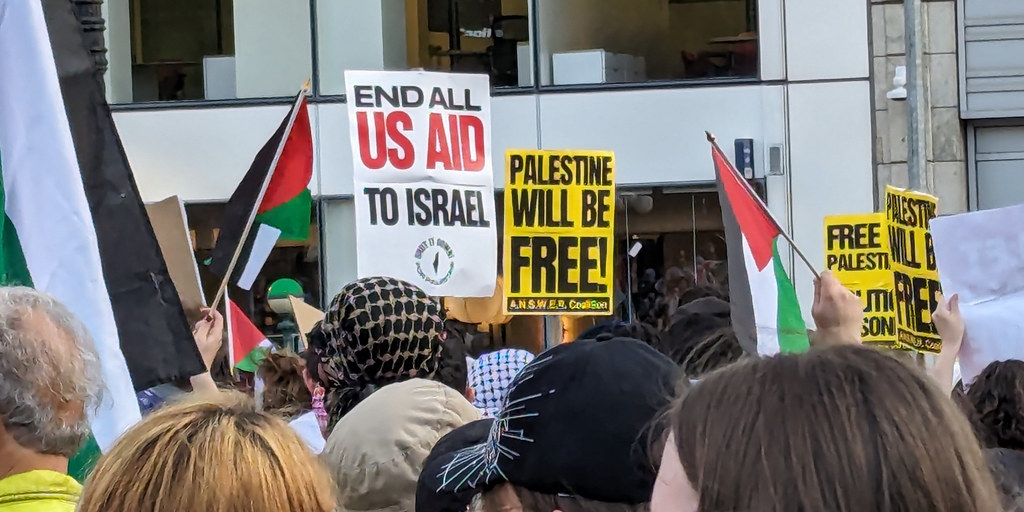
US aid to Israel is set to change dramatically as Trump announces an end to the $4 billion annual support after 2026. This decision has sparked significant debate regarding its implications for both nations.
Understanding the End of US Aid to Israel
The recent announcement by former President Donald Trump regarding the cessation of $4 billion in annual US aid to Israel after 2026 has sparked significant debate across political and social spectrums. This decision could represent a pivotal shift in US-Israel relations, raising concerns about regional stability and the future of peace negotiations.
Understanding the implications of ending US aid to Israel is crucial. The aid has historically supported Israel’s military capabilities and economic stability, contributing to its strategic dominance in the Middle East. The reasons behind the decision include:
- Shifts in Domestic Policy: The announcement aligns with a growing sentiment among certain political factions in the US advocating for a reevaluation of foreign aid.
- Changing Geopolitical Landscape: As regional dynamics evolve, some argue that Israel should become more self-reliant.
- Influence on Peace Efforts: Critics warn that ending this aid could hinder efforts towards a lasting peace between Israel and the Palestinian territories.
As the 2026 deadline approaches, it remains to be seen how this decision will affect US aid to Israel, the Israeli government’s response, and the broader implications for Middle Eastern geopolitics. The coming years will undoubtedly be critical in shaping future relations.
Implications for US-Israel Relations
The announcement by former President Trump regarding the cessation of $4 billion annual US aid to Israel after 2026 has stirred significant debate regarding its implications for US-Israel relations. This decision marks a pivotal shift in a longstanding partnership that has been foundational to both nations’ foreign policies.
As US aid to Israel has historically played a crucial role in military and economic support, its termination could lead to several potential outcomes:
- Strained Diplomatic Ties: The end of US aid might create a rift between the two nations, impacting diplomatic negotiations and collaborative efforts in the Middle East.
- Increased Regional Tensions: Without substantial US financial backing, Israel may feel compelled to adopt a more aggressive stance in regional conflicts, potentially escalating tensions with neighboring countries.
- Shift in Global Alliances: The reduction of US aid could encourage Israel to seek new alliances with other nations, possibly altering the balance of power in the region.
Furthermore, this decision could influence public opinion in both countries. In the US, increased scrutiny over foreign aid might lead to a reevaluation of financial commitments, while in Israel, reliance on domestic resources could become a pressing priority.
Ultimately, the end of US aid to Israel raises critical questions about the future of their strategic alliance and the broader implications for stability in the Middle East.
Trump’s Foreign Policy Shift
In a surprising turn of events, former President Donald Trump has announced the end of the $4 billion annual US aid to Israel after 2026, marking a significant shift in American foreign policy. This decision has raised eyebrows among political analysts and foreign policy experts alike, as it signals a potential re-evaluation of traditional alliances in the Middle East.
Trump’s stance reflects a broader trend of questioning long-standing foreign aid practices, particularly concerning US aid to Israel. The former president emphasized his belief that such financial support should be contingent on Israel’s actions and policies towards its neighbors. He argued that the aid could be better allocated to address domestic issues within the United States.
This pivot in foreign policy could lead to a reevaluation of the US-Israel relationship. Many fear that the absence of significant financial support may hinder Israel’s security measures and its ability to maintain stability in the region. Critics of Trump’s decision suggest that it could embolden adversaries and destabilize the already fragile balance of power.
As discussions surrounding the future of US aid to Israel unfold, the implications of this policy shift will undoubtedly be a focal point in upcoming political debates and international relations discussions.
Reactions from Israeli Officials
Reactions from Israeli officials regarding the announcement of the end of $4 billion annual US aid to Israel after 2026 have been swift and varied. Many officials expressed deep concern over the potential impact this decision could have on Israel’s security and economy.
Israeli Prime Minister Naftali Bennett stated, “The United States has been our closest ally and partner for decades. This decision could jeopardize not only our military readiness but also our diplomatic standing in the region.”
Defense Minister Benny Gantz emphasized the need for continued support, saying, “US aid to Israel is crucial for maintaining our qualitative military edge. We must find ways to sustain our defense capabilities.”
On the other hand, some officials have taken a more optimistic view. Foreign Minister Yair Lapid remarked, “This could be an opportunity for Israel to strengthen its own economy and seek new partnerships outside the US.”
- Concerns about security and military readiness.
- Potential shifts in diplomatic relations.
- Opportunities for economic independence and new alliances.
As discussions continue, it remains to be seen how these reactions will shape Israel’s approach to future negotiations and relationships with both the US and other nations.
What This Means for Future Aid
The announcement by former President Trump to end the $4 billion annual US aid to Israel after 2026 has significant implications for the future of U.S. foreign assistance. This decision could reshape not only the financial landscape for Israel but also the dynamics of U.S.-Middle East relations.
Should this aid cease, Israel may need to reassess its budgetary priorities and defense strategies, potentially leading to a more independent military stance. This shift could result in:
- Increased domestic military spending, as Israel seeks to fill the financial gap left by the absence of U.S. funds.
- Greater reliance on alternative partnerships, as Israel may look to strengthen ties with other nations for military and economic support.
- Shifts in diplomatic initiatives, as Israel navigates a new reality without guaranteed U.S. backing.
Moreover, the cessation of U.S. aid could have ripple effects on regional stability, as Israel’s neighbors could perceive a decline in U.S. commitment to Israel’s security. This situation may invite renewed tensions and alter the balance of power in the region.
Ultimately, the decision to end US aid to Israel raises critical questions about the future of American influence in the Middle East and the sustainability of Israel’s defense capabilities.
Public Opinion on US Aid Changes
As discussions surrounding the future of US aid to Israel intensify, public opinion appears to be split on the matter. A recent survey indicates that while a significant portion of the American populace continues to support financial assistance to Israel, there is a growing concern about the implications of such aid on domestic issues.
In the poll, approximately 62% of respondents favored maintaining some level of aid, citing historical ties and mutual security interests as primary reasons. However, 28% expressed opposition, arguing that resources should be redirected towards pressing domestic challenges such as healthcare and education.
Moreover, opinions vary significantly across demographic lines. Younger voters tend to be more skeptical of US aid to Israel, with many advocating for a reevaluation of the relationship in light of contemporary issues, including human rights. In contrast, older generations are more likely to view the aid as essential to US foreign policy.
As the debate continues, activists on both sides are lobbying for their perspectives to be heard. “It’s crucial that we consider the long-term impacts of US aid to Israel,” said one activist, emphasizing the need for a balanced approach that addresses both international alliances and domestic priorities.
The evolving public sentiment may ultimately influence future policy decisions as the 2026 deadline approaches.
By edenpictures via Openverse
Where this came from
India Today · US aid to Israel
You might also like
Gap Holiday Campaign: Is It the Best Gift Giving Strategy? · Florida rainstorms: Worst deluge in 36 hours · Air India wide-body jets: Quick path to profitability ahead



Leave a Reply