
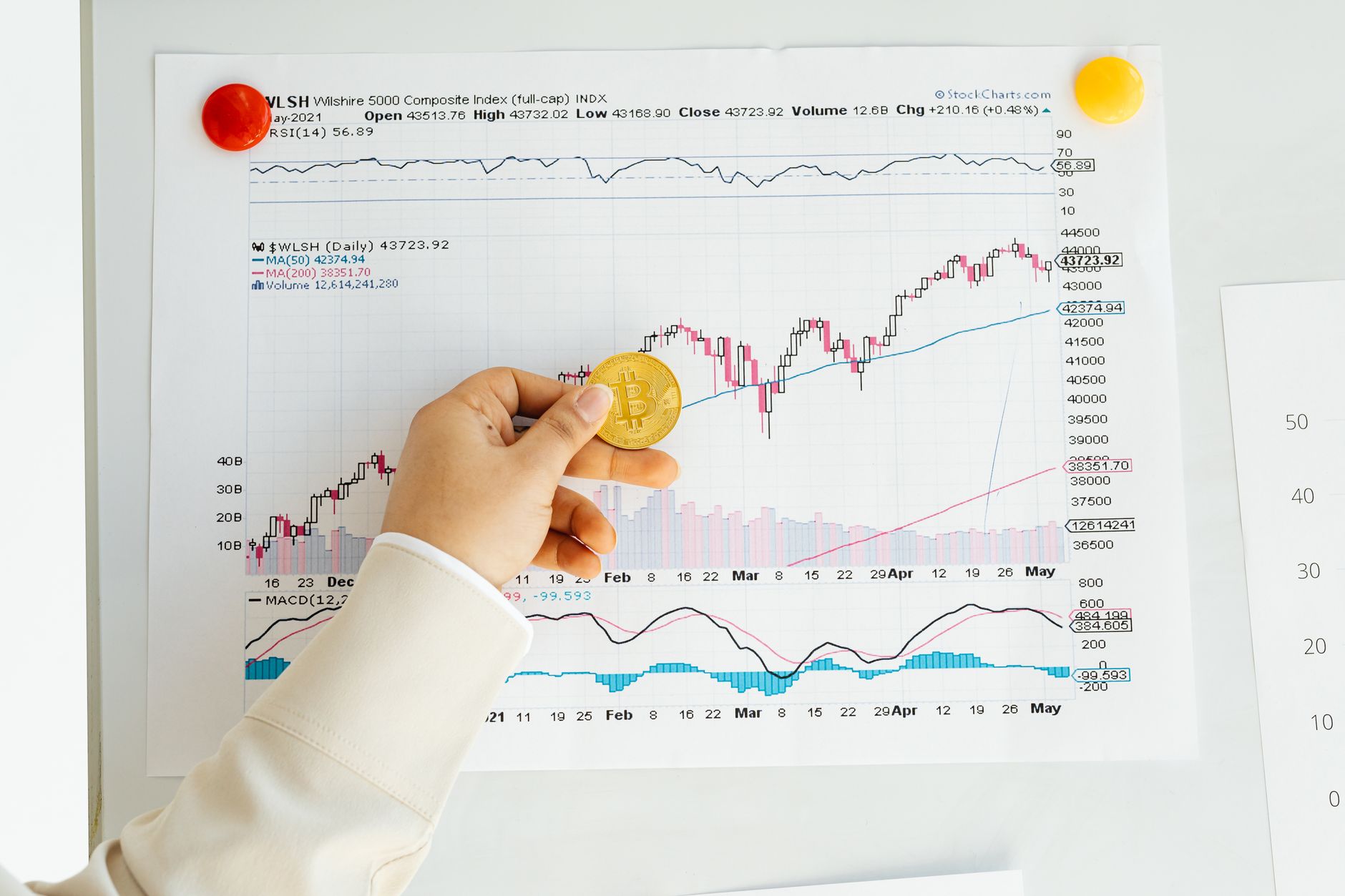
Gold price analysis shows how a firmer dollar is impacting the market. As concerns over the Federal Reserve’s policies grow, gold slips but oil’s decline helps limit losses.
Current Gold Price Trends
Gold prices have experienced notable fluctuations recently, reflecting the ongoing challenges posed by a strengthening U.S. dollar. As market analysts delve into gold price analysis, it becomes clear that the combination of a firmer dollar and shifting economic sentiments significantly impacts investor behavior.
Currently, gold is facing downward pressure, with prices slipping amidst renewed concerns over Federal Reserve policies. This has led to increased volatility, prompting many investors to reevaluate their positions in the precious metal. The recent trends indicate that while gold is traditionally viewed as a safe haven, its appeal may wane in the face of a robust dollar.
Several factors are contributing to the current gold price trends:
- Dollar Strength: A strong dollar makes gold more expensive for foreign investors, thereby reducing demand.
- Federal Reserve Policies: Anticipation of interest rate hikes has dampened gold’s allure as a non-yielding asset.
- Oil Price Movements: The decline in oil prices has also limited the losses in gold, showcasing the interconnectedness of these markets.
As traders analyze these trends, the outlook for gold remains uncertain. The interplay between the dollar’s strength and broader economic indicators will be crucial in shaping future price movements.
Impact of Dollar Strength on Gold
The recent fluctuations in gold prices can be largely attributed to the strength of the US dollar. A stronger dollar generally makes gold more expensive for foreign investors, which can lead to a decrease in demand and subsequently lower prices. This inverse relationship is critical in understanding current gold price analysis.
As central banks, particularly the Federal Reserve, signal potential interest rate hikes, the dollar tends to strengthen. Investors often flock to cash or dollar-denominated assets during times of uncertainty, creating additional pressure on gold prices. The interplay between the dollar and gold is evident in the current market conditions, where:
- Investor Sentiment: Many investors are cautious, weighing the potential for rate increases against inflation concerns.
- Market Volatility: The ongoing geopolitical tensions and economic data releases further complicate the situation.
- Price Adjustments: Gold often reacts sharply to dollar strength, as seen in recent trading sessions.
Furthermore, the correlation between gold and oil prices adds another layer of complexity. As oil prices decline, it can limit gold’s losses, but the overarching influence of a robust dollar remains a dominant factor. Understanding the impact of dollar strength on gold is essential for investors looking to navigate the current market landscape effectively.
Federal Reserve’s Influence on Markets
The recent fluctuations in gold prices can be largely attributed to the Federal Reserve’s monetary policies. As the central bank continues to signal potential interest rate hikes, the strength of the dollar has intensified, exerting downward pressure on gold. Investors are closely monitoring these developments, as a robust dollar typically leads to decreased demand for gold, which is often viewed as a hedge against inflation and currency devaluation.
Market analysts are concerned about the effects of the Federal Reserve’s decisions on overall market stability. Key points include:
- Interest Rates: Higher interest rates can make non-yielding assets like gold less attractive, resulting in a shift towards interest-bearing investments.
- Inflation Expectations: If the Fed’s policies are perceived as insufficient to combat inflation, gold may see a temporary boost as a safe haven.
- Market Sentiment: The overall investor sentiment can fluctuate rapidly based on Fed announcements, impacting gold prices.
As such, the gold price analysis must take into account the Federal Reserve’s influence on both the dollar and broader market dynamics. Understanding these relationships is crucial for investors looking to navigate the complexities of the precious metals market in a potentially volatile economic environment.
Oil Prices and Their Effect on Gold
The relationship between oil prices and gold is a critical aspect of gold price analysis. Fluctuations in oil prices can significantly influence investor sentiment and demand for gold, often creating a ripple effect across various markets.
As oil prices decline, the cost of production for many goods decreases, which may lead to lower inflation expectations. This scenario typically results in a stronger dollar, as seen in recent trends. When the dollar strengthens, gold becomes more expensive for holders of other currencies, potentially decreasing its demand.
Currently, the ongoing slide in oil prices has raised concerns among investors regarding economic stability. With fears of a recession looming, many are turning to gold as a safer investment. However, the strength of the dollar complicates this dynamic.
- Stronger Dollar: As the dollar gains strength, the allure of gold diminishes, leading to a potential drop in its price.
- Investor Behavior: Investors may shift their focus between commodities, impacting gold demand as oil prices fluctuate.
- Inflation Concerns: Lower oil prices can lead to reduced inflation, influencing central bank policies and further affecting gold prices.
In summary, while oil prices and their effect on gold are intertwined, the current strong dollar environment poses challenges for gold price analysis, as investors navigate a complex market landscape.
Market Reactions to Economic Data
The recent fluctuations in the gold market have been closely tied to significant economic data releases, particularly in relation to the strength of the dollar. As the dollar continues to rise, market analysts are observing a direct correlation with gold prices, prompting a detailed gold price analysis to understand the implications for investors.
Key economic indicators, such as inflation rates and employment figures, have influenced market sentiment, leading to increased volatility in gold prices. In particular, the latest reports indicate:
- Job Growth: Strong employment numbers have fueled expectations of continued interest rate hikes by the Federal Reserve.
- Inflation Data: Persistent inflation has kept investors on edge, affecting their confidence in gold as a safe haven.
- Consumer Spending: Increased consumer spending has raised questions about the sustainability of economic growth, further impacting precious metal markets.
As the dollar’s strength revives concerns about the Fed’s monetary policy, gold has slipped, yet the decline has been limited by falling oil prices. This complex interplay highlights the need for ongoing gold price analysis, as market participants seek to navigate these turbulent economic waters. Understanding these dynamics is crucial for investors looking to make informed decisions in an ever-changing landscape.
Future Predictions for Gold Prices
As analysts look ahead, the future predictions for gold prices remain a topic of considerable debate. The recent fluctuations in the market, particularly influenced by a strong dollar and shifting economic indicators, have left many investors cautious. The gold price analysis suggests that if the dollar continues to strengthen, gold may struggle to maintain its value in the short term.
Key factors that are likely to influence future gold prices include:
- Interest Rates: Expectations regarding interest rates set by the Federal Reserve can lead to significant price movements for gold. Higher interest rates tend to strengthen the dollar, making gold less attractive.
- Inflation Rates: Persistent inflation may drive investors towards gold as a hedge, potentially increasing demand and prices.
- Geopolitical Tensions: Any escalation in geopolitical risks can lead to a rise in gold prices, as it is often viewed as a safe-haven asset.
- Market Sentiment: Changes in investor sentiment, driven by economic reports and data, can also impact future gold price trends.
In conclusion, while the outlook for gold prices is uncertain, ongoing gold price analysis will be crucial for investors to navigate the complexities of the market. Keeping a close eye on the dollar’s strength, economic indicators, and geopolitical developments will be essential in predicting future movements.
The ongoing gold price analysis reveals that a strong dollar often leads to decreased demand for gold as an investment. This trend is particularly evident in recent market fluctuations, underscoring the importance of thorough gold price analysis in understanding the broader economic implications.
Photo by https://kaboompics.com/ on Pexels





Leave a Reply